

A single unverified obstacle, whether permanent infrastructure or a temporary crane, can raise safety concerns that impact daily operations, slow approvals, and create complications during audits or regulatory reviews.
Airports also face ongoing pressure to evaluate new infrastructure, tenant projects, crane lifts, and nearby development against protected airspace. Without clear information, these routine checks can quickly become time-consuming and disruptive.
RPM helps airports manage OLS risk with efficient, defensible assessments grounded in accurate terrain and structure data. By connecting detailed site information to a clear airspace model, we help teams quickly confirm what’s compliant, identify potential penetrations, and document the results in a way that supports internal approvals and regulatory submissions.
The result is faster, more confident decision-making without unnecessary delays or repeat verification work.
How RPM Supports Airport Teams
- OLS assessments for runways and approach/departure surfaces
- Identification and documentation of potential penetrations, including temporary works such as cranes
- Evaluation of proposed on-airport and nearby development against protected airspace
- Terrain and structure modeling tied to precise coordinates for defensible results
- Repeatable assessments to track changes in surrounding development over time
- Clear reporting to support submissions, compliance reviews, and stakeholder coordination
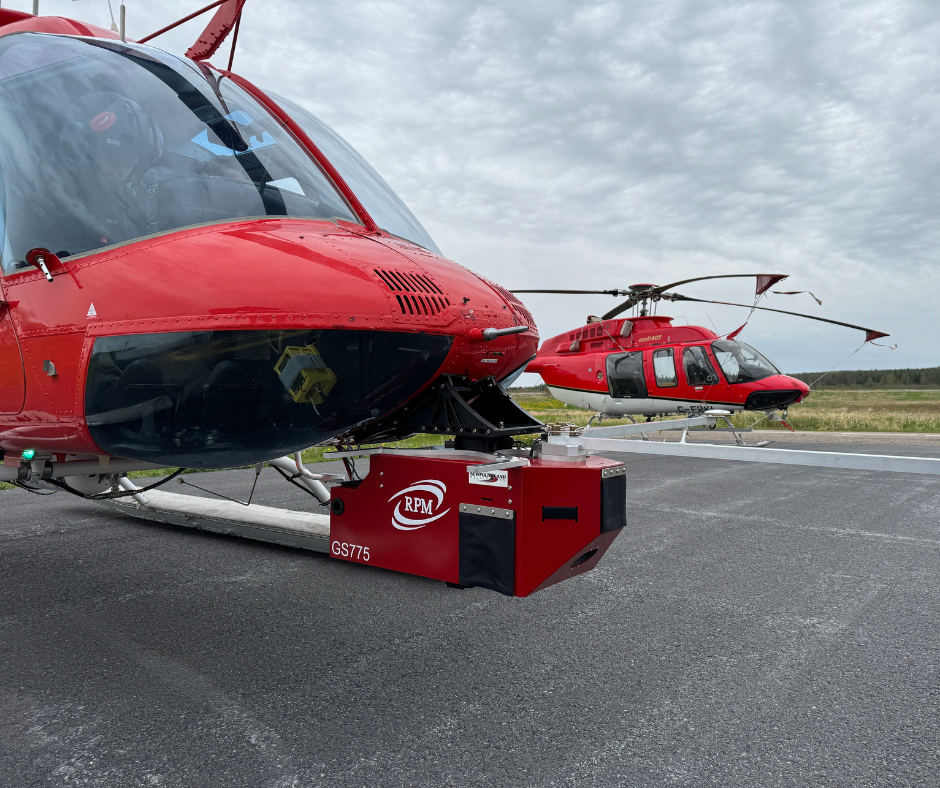
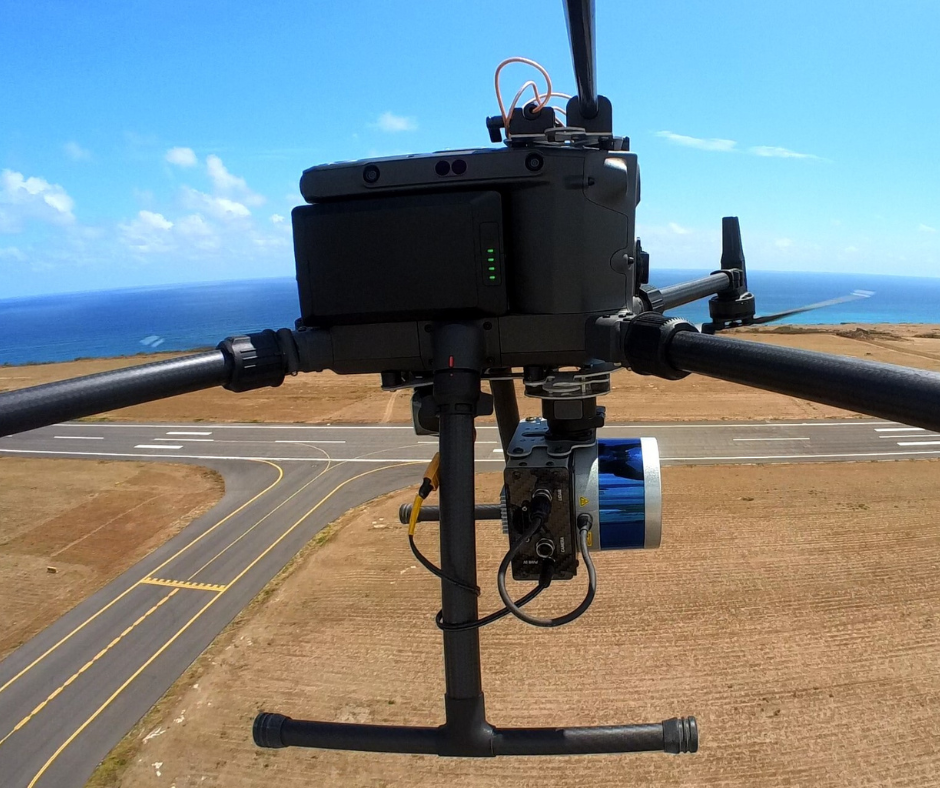
RPM uses both helicopter and drone (RPAS) platforms for OLS data collection, selecting the most effective approach based on project needs. Helicopters are ideal for larger areas, especially when available near the airport. While drones are better suited for smaller areas or more remote airports. This flexible approach ensures the right balance of efficiency, cost, and minimal impact on airport operations.

FAQ
Welcome to FAQs
Please select a frequently asked question from the menu below.
How does RPM complete OLS Surveys?
RPM uses helicopter or drone-based aerial LiDAR systems, to capture detailed terrain and obstacle information across large areas surrounding the airport.
How does RPM’s approach to protected airspace mapping compare to traditional survey methods?
RPM uses helicopter and drone-based aerial LiDAR systems to capture the terrain and obstacle data required for protected airspace and Obstacle Limitation Surface (OLS) assessments. Unlike traditional ground survey methods, which require crews to measure individual points across large areas, aerial LiDAR rapidly collects millions of elevation points across the airport and surrounding landscape. This allows RPM to survey large areas more quickly, safely, and with far greater coverage, providing a detailed dataset that supports accurate OLS analysis and regulatory compliance.
What data does RPM collect for protected airspace / OLS?
RPM collects high-accuracy elevation and obstacle data required to assess protected airspace and Obstacle Limitation Surfaces (OLS) around airports. Using helicopter or drone-based aerial LiDAR systems, RPM captures detailed terrain and obstacle information across large areas surrounding the airport. This data is used to identify potential penetrations into protected airspace and to support compliance requirements for Transport Canada, NAV Canada, and ICAO standards.
Does RPM offer change-over-time analysis?
Yes. RPM can perform repeatable assessments that help airports track changes in surrounding development and monitor evolving OLS risk over time.
How does RPM reduce disruption for airport teams?
RPM works closely with airport personnel and NAV Canada to implement a safe and efficient project plan that works around existing schedules and limits the need for runway closures. Additionally, when utilizing drones/RPAS for OLS projects, many surveys can be completed overnight at times of minimal air traffic / airport operations.
What do you need from us to start an OLS assessment?
Runway(s) and surface scope, your preferred coordinate system/vertical datum, any existing OLS files or prior studies (if available), and the project drivers (audit, development review, crane lift, periodic compliance). We’ll confirm exactly what’s in/out of scope before collection or analysis starts.
Do you provide GIS/CAD-ready outputs we can use internally?
Yes. We deliver outputs that drop into GIS/CAD workflows, with surfaces/obstacles packaged for review and recordkeeping. We also align coordinate system and vertical datum requirements up front to avoid rework.
Contact us for a consultation: