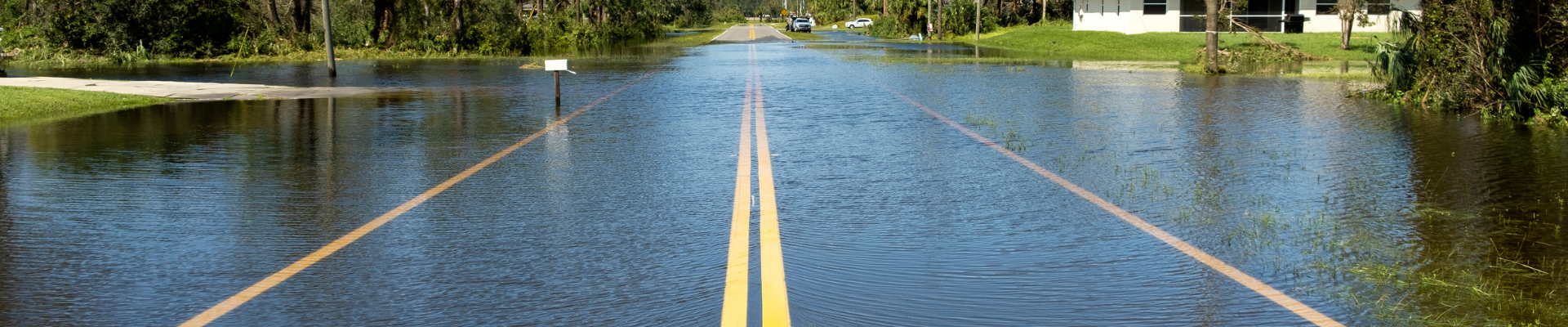

Undetected leaks quietly drain municipal budgets, accelerate pipe deterioration, and increase the risk of service disruptions. Left unchecked, small leaks can grow into costly failures that require emergency repairs and disrupt service for residents and businesses.
RPM’s experienced team helps municipalities locate and confirm leaks faster using a combination of acoustic and aerial detection methods. This approach helps crews focus on the right locations, reducing unnecessary excavation and shortening repair timelines.
By identifying leaks earlier and narrowing search areas more efficiently, municipalities can reduce non-revenue water, plan repairs proactively, and improve overall system resilience.
How RPM Supports Municipal Leak Detection:
-
Proactive, town-wide leak detection programs to reduce non-revenue water
-
Night-time acoustic surveys for stronger signal-to-noise conditions
-
Aerial thermal/infrared screening to identify likely subsurface saturation zones
-
Targeted zone isolation and follow-up confirmation to narrow leak locations
-
Leak severity triage to prioritize repairs and plan shutdowns
-
Reduced water loss, fewer emergency callouts, and improved system resilience
Find Leaks Before They Become Emergencies
By combining multiple detection methods, RPM helps municipalities locate leaks sooner, prioritize repairs more effectively, and reduce the long-term cost of water loss across the distribution system.
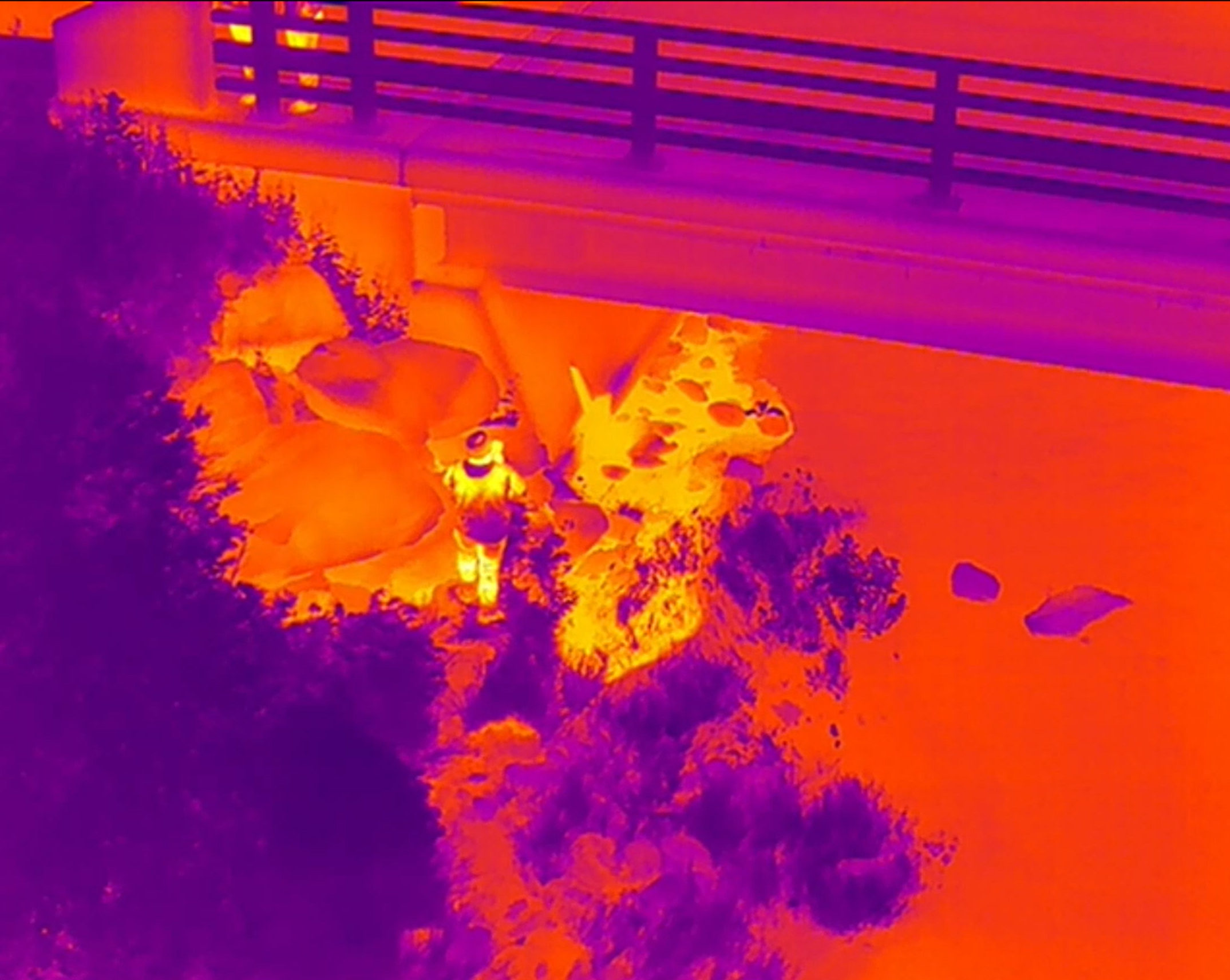
Aerial Infrared
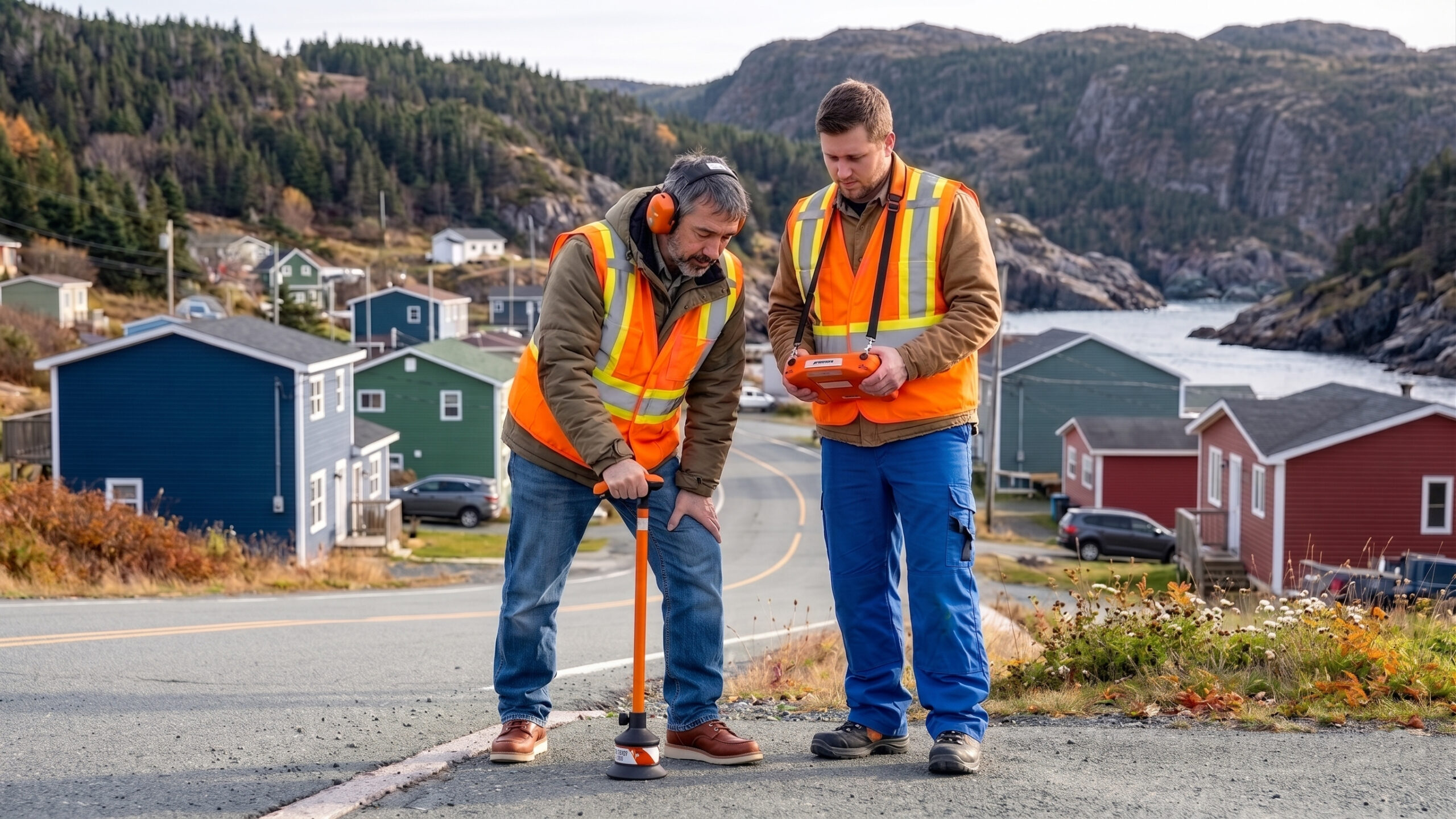
Geophone
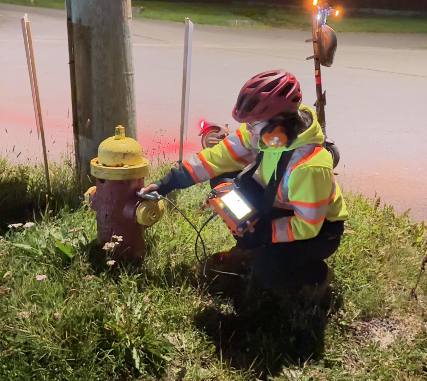
Infrastructure Checks
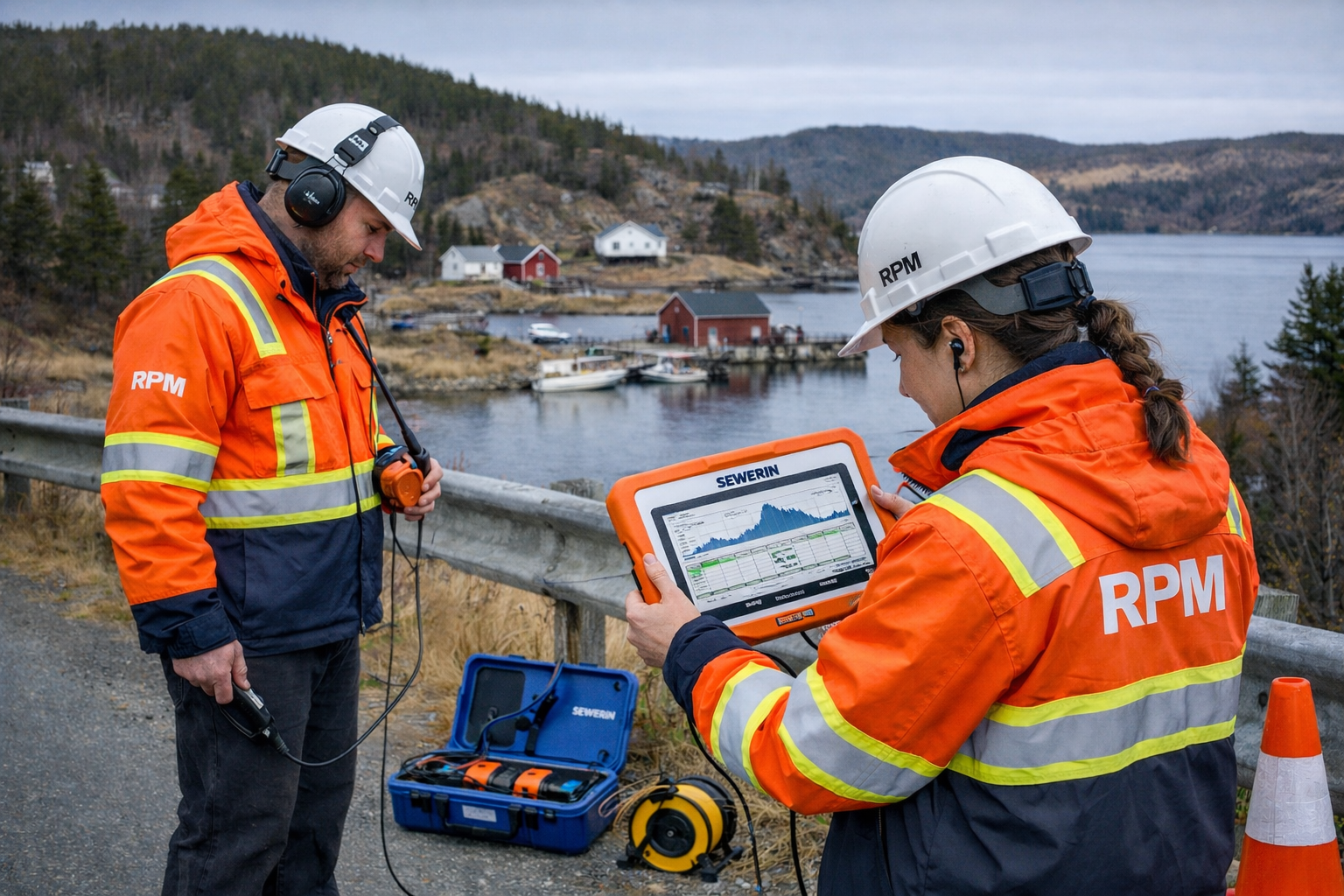
Correlation

A simple pre-pave leak assessment gives municipalities the confidence to move forward knowing underground issues have already been identified before construction starts. Instead of reacting after the fact, you can make informed decisions before the first layer of asphalt is laid.
Post-paving watermain failures don’t just damage roads, they damage confidence. A pre-pave assessment helps demonstrate due diligence, reduce uncertainty, and show your community that every reasonable step was taken before construction moved ahead.
What You’ll Receive
-
Leak locations identified along planned paving routes
-
Clear visibility into issues that should be addressed beforehand
-
Documentation showing what was assessed and when
-
A record distinguishing pre-existing conditions from post-pave damage
-
Easy-to-understand summaries for operations teams and council
-
Practical repair priorities based on real conditions
-
Confidence to proceed with paving decisions
When you assess before paving, you’re prepared when questions come later.

FAQ
Welcome to FAQs
Please select a frequently asked question from the menu below.
When should a municipality conduct water leak detection?
Ideally, leak detection should be done on a regular schedule to catch issues early. In reality, many municipalities operate reactively, addressing leaks only when they surface or are reported.
This leaves a blind spot for hidden leaks that often persist for months or years, quietly increasing water loss and system strain. If a program isn’t in place, detection should begin as soon as unexplained water loss or unusual usage is identified, helping shift from reactive fixes to more proactive management.
How accurate is modern water leak detection?
Modern leak detection methods can locate leaks with a high degree of accuracy, helping crews focus repairs and reduce unnecessary excavation. Accuracy can vary depending on factors like soil conditions and the quality of available infrastructure records.
When asset information is reliable and materials are known, advanced acoustic systems are highly effective at narrowing down leak locations and guiding efficient, targeted repairs.
How does leak detection support long-term asset management?
Leak detection gives municipalities a clearer picture of how their system is really performing, helping them stay ahead of issues instead of reacting to them.
Over time, tracking where leaks occur and how severe they are (especially in a GIS) can highlight problem areas, making it easier to plan repairs, prioritize upgrades, and target future capital expenditures like line replacements and system improvements more effectively.
What’s the difference between acoustic surveys and aerial thermal screening?
Aerial thermal screening helps identify broader problem areas by detecting saturated ground or surface moisture that isn’t easily visible from the ground. It’s especially useful in areas with limited access points, like hydrants or valves.
Acoustic surveys, on the other hand, are used to pinpoint the exact location of a leak. Tools like geophones and correlators allow crews to narrow in on the source, making repairs faster and more targeted.
Together, these methods complement each other: one helps find where to look, and the other confirms exactly where to dig.
Can you prioritize leaks by severity/impact so crews focus on the right ones?
Yes. Leaks can generally be prioritized based on their severity and potential impact, helping crews focus on the most critical issues first.
That said, factors like how long a leak has been active, ground saturation, pipe material, and soil conditions can sometimes mask its true severity. While prioritization is a valuable tool for planning, it’s best used as a guide rather than an absolute measure.
How does Water Leak Detection (WLD) connect to GIS and long-term water system management?
WLD feeds real-world observations into GIS, linking leak data, hydrant readings, and system details like pressure and supply zones in one place.
This makes it easy to compare expected vs. actual conditions, while building a record of where issues occur. Over time, this supports trend analysis, highlights recurring problem areas, and helps guide capital planning such as targeted line replacements and upgrades.
The result is a clearer, map-based view of system performance, helping staff validate field conditions, track work, and make more informed maintenance and planning decisions.
Why are night-time acoustic surveys recommended?
Night-time surveys provide more reliable results because water use and background noise are significantly lower. During the day, traffic, environmental noise, and normal water demand can mask or mimic leak sounds.
At night, reduced usage creates quieter conditions, while increased system pressure makes leaks louder and easier to detect. With fewer people using water and less ambient noise, crews can more clearly identify true leak signals and improve overall detection accuracy.
Can you run a proactive, town-wide program instead of just responding to suspected leaks?
Yes. Although RPM is always there for its clients and able to respond to immediate concerns, We specialize in proactive annual, semi-annual or bi-annual programs designed to reduce non-revenue water by systematically screening and confirming leaks across entire distribution systems.
How do you work with our crews and existing maintenance processes?
We integrate with your team’s workflows, providing clear, field-usable results that help your crews validate findings, target repairs, and document outcomes for ongoing system management.
Contact us for a consultation: